How to Use AI Video Enhancement to Sell More Products Online in 2026
Product video is the #1 conversion driver in e-commerce. Here's how AI video enhancement is making studio-quality content accessible to every brand.
The E-Commerce Video Landscape in 2026: Why Quality is the Ultimate Differentiator
As we navigate through 2026, the global e-commerce landscape has experienced a seismic shift. Static images no longer hold the conversion power they once did, and even basic product videos are being easily scrolled past by increasingly discerning consumers. In highly competitive markets across the US, UK, Canada, and Australia, shoppers expect a highly immersive, cinematic, and interactive digital retail experience. At the center of this revolution is AI video enhancement, a transformative technology that is allowing independent creators, high-growth print-on-demand brands, and global retailers to produce studio-quality visual assets at a fraction of the historical cost.
According to recent e-commerce analytics, product pages featuring high-resolution, enhanced video content see a conversion rate increase of up to 43% compared to those relying on standard-definition video. For a business recording $50,000 in monthly digital sales, implementing a rigorous product video marketing strategy can translate into hundreds of thousands of dollars in incremental annual revenue.
However, achieving this level of visual fidelity traditionally required renting expensive studios, hiring specialized videographers, and paying premium day rates for professional video editors. Today, AI-powered automation has completely democratized this process. By leveraging AI video enhancement platforms like Supermodel, modern brands can instantly upscale, color-correct, and optimize their media, seamlessly integrating these assets into their e-commerce operations to captivate audiences and drive unprecedented sales growth.
What Exactly is AI Video Enhancement?
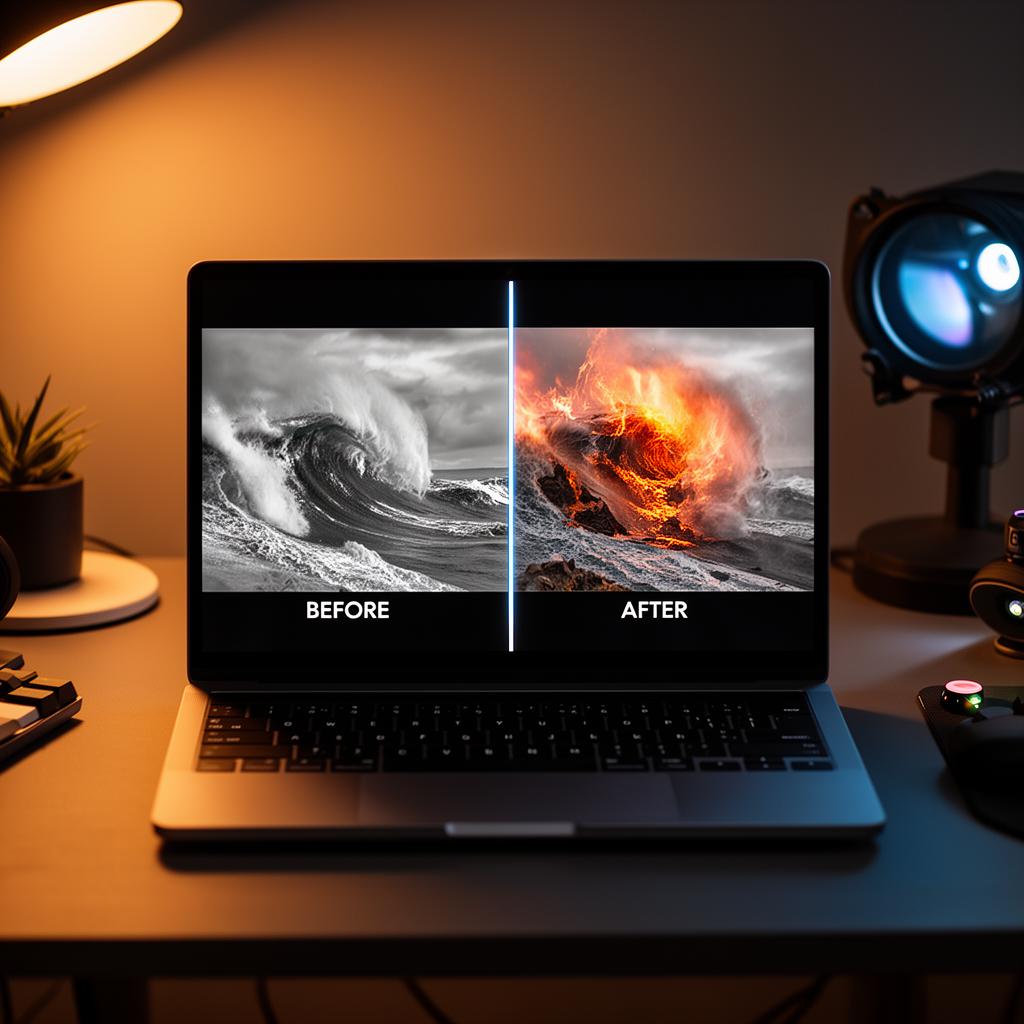
To understand how to monetize this technology, we must first look at what AI video enhancement entails. Unlike traditional software that merely stretches pixels to fit larger screens—resulting in blurry, pixelated, or distorted footage—artificial intelligence utilizes complex neural networks. These deep learning algorithms have been trained on millions of hours of ultra-high-definition video content.
When you feed a low-resolution or smartphone-shot clip into an AI processing engine, the system analyzes every single frame. It doesn't just enlarge the image; it contextually predicts and generates missing pixel data. This process creates sharp, lifelike details that didn't exist in the original file.
The core pillars of modern AI video enhancement include:
* AI Video Upscaling: Transforming 720p or 1080p footage into crystal-clear 4K or even 8K resolution, making it suitable for high-end digital storefronts and large screen casting.
* Temporal Frame Interpolation: Inserting AI-generated frames between existing ones to turn choppy 24fps video into buttery smooth 60fps or 120fps slow-motion product showcases.
* Intelligent Denoising: Automatically removing grain, artifacting, and low-light visual noise without sacrificing intrinsic textural details (essential for fashion and apparel).
* Dynamic Color Grading: Utilizing machine learning to balance lighting, correct exposure, and apply cinematic color palettes that align with specific brand identities.
In 2026, AI video editing for ecommerce has evolved from an experimental tech novelty into a fundamental utility for any brand serious about visual merchandising.
The Financial Impact of AI Video Editing for Ecommerce
The transition to an AI-driven video production model is fundamentally a financial decision. The return on investment (ROI) associated with AI video enhancement tools is staggering when placed side-by-side with traditional production overheads.
Let's break down the economics. In traditional product video marketing, launching a 20-product apparel line would require:
* Studio rental: $1,200/day
* Professional videographer/lighting crew: $2,500/day
* Post-production editing and color grading: $3,000/project
* Total Estimated Cost: $6,700 for a single catalog cycle.
By substituting this workflow with an AI-enhanced approach, brands can utilize basic smartphone footage or raw, unedited manufacturer clips. Through the power of sophisticated AI software, these raw assets are upscaled, stabilized, and color-matched automatically.
* In-house shooting (Smartphone/Basic Rig): $0 (using existing resources)
* AI software subscription/compute costs: ~$50 to $150/month
* Total Estimated Cost: Less than $200.
This represents an aggregate cost reduction of up to 97%. More importantly, the *speed to market* is drastically reduced. Instead of waiting three weeks for a post-production house to return your assets, AI video upscaling allows brands to launch high-converting ad campaigns and updated product pages in a matter of hours. For businesses operating agile print-on-demand models where capitalizing on daily trending topics is crucial, this velocity is a massive competitive advantage.
6 Strategic Ways to Leverage AI Video Enhancement to Sell More Products
With the foundational technology and financial benefits outlined, how exactly do you apply this to your storefront to sell more products in 2026? Here are six actionable strategies.
1. Elevating Video Product Photography on a Budget
Historically, product photography was heavily siloed from video production. You shot stills for the catalog and video for social media ads. Today, video product photography is taking over the catalog itself. Market research shows that 78% of online shoppers across the US and UK prefer viewing a 360-degree video over static images when examining product details, textures, and fit.
Using AI video enhancement, small businesses can shoot brief, rotating clips of their products on a simple turntable under basic office lighting. The AI takes this raw, potentially grainy footage and denoises it, sharpens the edges of the product, balances the white levels, and upscales the core file to vibrant 4K. What starts as a rudimentary, low-budget clip becomes a sleek, high-end rotating product showcase indistinguishable from those produced by top-tier luxury brands.
2. Transforming Repurposed UGC into Premium Ad Creative
User-Generated Content (UGC) is the lifeblood of modern direct-to-consumer (DTC) marketing. When an influencer or a genuine customer reviews your product, it builds authentic trust. However, the downside to UGC is that it is often filmed on older smartphones, in poor lighting, or compressed heavily via messaging apps.
If you attempt to run compressed 720p UGC as a hero ad on TikTok or Meta, the visual degradation can harm your brand perception. AI video upscaling solves this seamlessly. Brands can run their collected UGC through an AI enhancer to clarify the image, brighten the influencer's face, stabilize shaky hands, and clean up audio noise. This preserves the desired authenticity of the UGC while meeting the high technical specifications demanded by premium ad-buying platforms, ultimately lowering your Customer Acquisition Cost (CAC) by up to 25%.
3. Designing Dynamic Custom Storefronts That Captivate
In 2026, the static e-commerce homepage is obsolete. The highest-converting websites rely on "living" web design—specifically, auto-playing, high-resolution video banners that immediately communicate value and lifestyle. However, embedding heavy video files traditionally caused massive page load latency, negatively impacting SEO and bounce rates.
Modern AI platforms don't just upscale; they intelligently compress. By utilizing custom storefronts powered by AI-optimized video, brands can host stunning 4K video banners that load instantly. When a customer lands on a Supermodel-powered storefront and sees a flawlessly enhanced, smoothly looping video of your flagship product, the perceived value of your brand skyrockets. It transforms the digital shopping experience from passive scrolling into immersive retail entertainment.
4. Enhancing Print-on-Demand (POD) Renderings
The Print-on-Demand sector is notoriously saturated. To stand out, selling a flat, static graphic of a t-shirt on a white background is no longer sufficient. Leading creators are shifting toward dynamic, moving mockups.
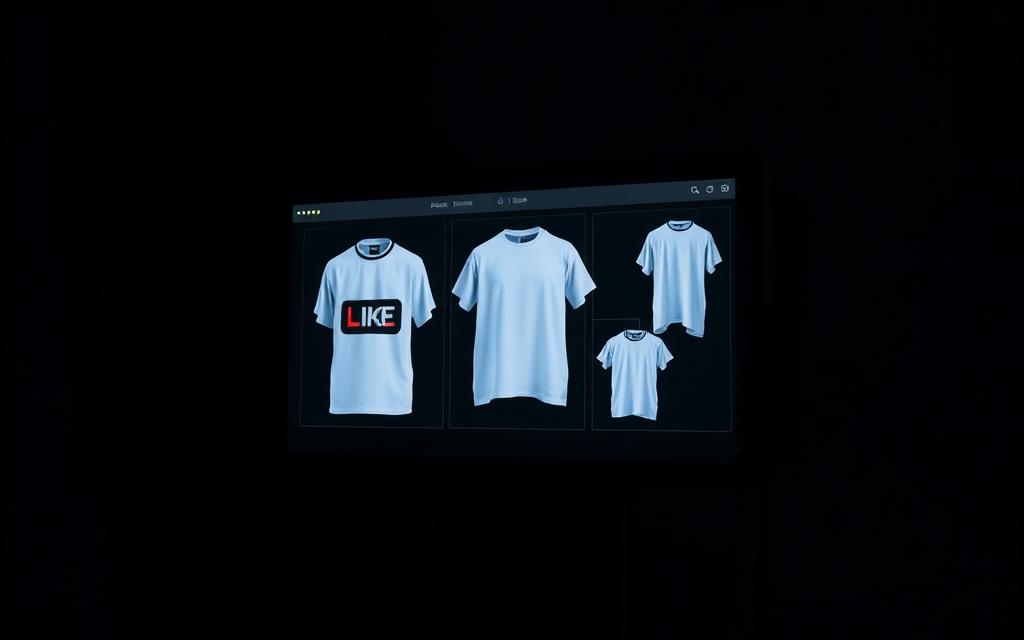
Imagine placing your custom designs onto a video of a model walking down the street. While third-party apps can do the mapping, the base videos often degrade in quality once the digital design is rendered over them. AI video editing for ecommerce allows POD entrepreneurs to re-enhance these dynamic mockups after rendering. The AI sharpens the graphic overlay, making it look authentically printed on the fabric, while upscaling the entire scene to a crisp, commercial standard. This tactic alone has been shown to boost Add-to-Cart rates for apparel by 31%.
5. Automated Variation Generation for A/B Testing
Successful product video marketing isn't about making one perfect video; it's about making twenty variations of a great video and letting the market decide. AI enhancement tools can automatically generate multiple iterations of your video assets.
By integrating intelligent AI processing, marketers can adjust the depth of field, change color temperaments to reflect different seasons (e.g., warmer tones for autumn sales, cooler tones for winter), and optimize aspect ratios for Instagram Reels (9:16) versus YouTube (16:9) without losing resolution via cropping. This enables rapid, data-informed A/B testing across all marketing channels.
6. Replacing Expensive B-Roll with Generative AI
Sometimes, you have a great video of your product, but the background is dull, or you lack compelling B-roll to cut away to. By leveraging a high-end AI generator tool, brands can synthesize photorealistic supplementary video clips—like a bustling Parisian street or a sun-drenched beach—and smoothly blend them with their enhanced product shots. This creates narrative-driven e-commerce videos that evoke emotion and aspiration.
Building Your Product Video Marketing Strategy with AI
Knowing the tactical applications of AI video enhancement is only the first step; incorporating them into a scalable operational strategy is how you truly sell more products.
Automating the Production Workflow
To handle volume, manual video editing is unsustainable. Fast-growing brands require seamless, programmatic solutions. This is where automation via API becomes vital. For mid-sized to enterprise businesses, linking your product database with media enhancement engines can fully automate your visual merchandising pipeline.
When a fresh batch of product videos is loaded to your server, they can be routed directly through a powerful developer API that automatically applies an enhancement pipeline: noise reduction, 4x upscaling, and smart cropping to your site's exact specifications. The improved files are then instantly updated on your storefront, enabling teams to operate with an efficiency previously only reserved for Silicon Valley tech giants.
Tailoring to Global Consumer Behaviours
Keep in mind that while AI removes the physical barriers to content creation, your creative strategy must still align with target markets:
* The US Market: Highly trend-driven. Quick, punchy, 4K enhanced UGC videos perform phenomenally on TikTok and Instagram Reels.
* The UK Market: Appreciates high-production value and narrative storytelling. Here, crisp video product photography with smooth AI frame interpolation helps convey luxury and quality.
* Canada & Australia: Both markets exhibit heavy mobile-commerce biases. Ensuring your upscaled videos are smartly compressed by AI algorithms to load flawlessly on 5G mobile networks is paramount for conversion.
For a deeper dive into market-specific strategies and emerging visual trends, continuously monitoring resources like our blog will keep your brand well ahead of shifting consumer expectations.
How Supermodel Streamlines Your Content Generation
While piecing together various software subscriptions to manage upscaling, store building, and merchandising might seem logical, it creates friction. Time spent managing fragmented software stacks is time taken away from marketing and community building.
This is precisely the friction Supermodel was engineered to eliminate. We don't just provide an isolated AI upscaling tool; we provide a comprehensive operating system for the modern creator economy.
Supermodel unifies AI video enhancement with intuitive custom storefront creation and seamless print-on-demand fulfillment. You can generate a design, mock it up onto moving video models, use our proprietary deep-learning AI to upscale the video to cinematic 4K, and instantly publish it to a custom-branded digital storefront—all from a single dashboard.
By giving you the tools to automatically render high-ticket visual fidelity, Supermodel ensures your brand builds the hyper-premium perception required to command higher retail prices, increase profit margins, and lock in long-term customer loyalty. You get the polish of a Fortune 500 creative agency built right into your merchandising workflow.
To see the economic breakdown of how this consolidated ecosystem can save your brand money while drastically increasing your output, explore our flexible pricing plans designed for every stage of entrepreneurship.
Frequently Asked Questions (FAQ)
How does AI video upscaling actually improve my product videos?
AI video upscaling uses advanced machine learning models trained on vast datasets of high-resolution imagery. Instead of just stretching a small video to fit a larger frame (which causes blurriness), the AI analyzes the visual data, understands the context of the image (like recognizing the weave of a fabric or the text on a label), and artificially generates new, accurate pixels. This transforms soft, low-resolution clips into sharp, hyper-detailed 4K footage, significantly enhancing the perceived value of your product.
Can AI video editing for ecommerce replace professional videographers?
While high-end, conceptual brand campaigns may still benefit from the nuanced eye of a human director, AI video editing for ecommerce has absolutely replaced the need for professional crews when it comes to standard catalog shoots, social media ads, and daily content output. AI allows brands to achieve professional-grade stability, lighting correction, and resolution entirely in-house using basic equipment, drastically cutting operational costs and reducing time-to-market.
Is AI video enhancement cost-effective for a new print-on-demand brand?
Yes, it is incredibly cost-effective. In fact, it's one of the highest ROI investments a new POD brand can make. Competing in POD requires standing out visually. By using AI to enhance moving video mockups—making the fabric look real and the print look embedded rather than pasted on—you boost your brand's legitimacy. Platforms like Supermodel bundle these enhancement features with the storefront and POD integration, meaning you aren't paying for multiple expensive, disparate software tools just to get started.
How do video product photography and AI enhancement work together?
Video product photography represents the shift from static product images to 360-degree, dynamic product showcases. AI enhancement is the engine that perfects these showcases. You can shoot a product on a cheap motorized turntable with a smartphone, and the AI will remove the background noise, perfect the lighting, stabilize microscopic camera shakes, and upscale the resolution. Together, they allow small brands to produce dynamic, studio-quality product page elements without needing an actual studio.
Ready to Transform Your Product Videos and Skyrocket Sales?
The era of passable, low-resolution e-commerce imagery is officially over. As we push deeper into 2026, the brands that dominate their markets will be those that embrace the power of AI to output relentless, high-fidelity visual content. Stop letting poor video quality throttle your ad conversions and product page performance.
It is time to build a brand presence that practically reaches out of the screen. Embrace the future of digital retail with seamless upscaling, hyper-fast storefronts, and integrated merchandising. Transform your raw clips into cinematic sales engines today by starting your journey at Supermodel.